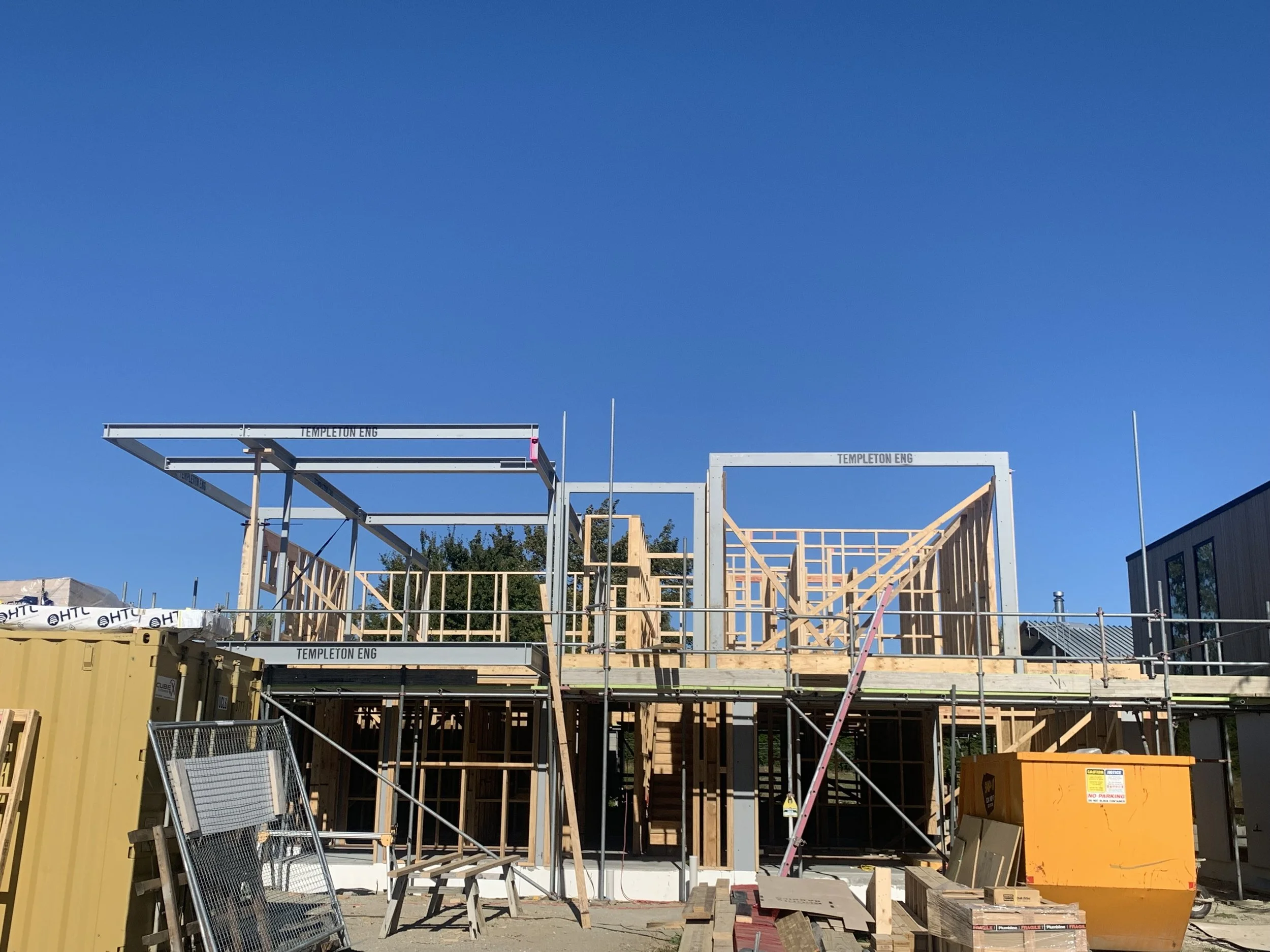
A game of 2 halves! While Wanaka town has been performing well with good demand, an average of 24 days on market and little if any price negotiation, Hawea is a different story.

Wanaka Rental News
Latest news and property insights into the Wanaka rental property market
For many landlords, handling maintenance requests can be one of the most challenging parts of owning a rental property. How do you determine what's genuinely urgent and what can wait until tomorrow? How do you find the right tradesperson at short notice? And how do you keep tenants informed throughout the process?
Rent reviews are a core part of running a successful investment property, and in today’s rental market, they require a smart, data‑driven approach. With rental supply rising and tenants more price conscious, landlords can still lift rents — but increases need to be aligned with market conditions and communicated well.
Current legislation allows rent increases once every 12 months with 60 days’ notice, and while there’s no cap, rents must remain within fair market value. Typical adjustments sit around 3–5%, but the real benchmark comes from comparable listings, rental data tools, property condition, and how easily your tenants could relocate.
Consistent, modest annual increases are more effective than infrequent large jumps, and timing matters. Tenants can cope better with a $20 increase annually than an $80 jump after a few years. Rent reviews work best at lease renewal, after improvements, or during high‑demand seasons. They’re less effective part way through a fixed term, or immediately after maintenance issues. An increase is not advised if there are current unresolved maintenance issues.
Clear communication is essential. Giving tenants early notice, providing a simple rationale and avoiding emotional or defensive explanations helps maintain a positive relationship. In a softer market, retaining high‑quality tenants can be more valuable than pushing for maximum rent — especially when vacancy and turnover costs quickly add up.
Working on an average rent of $750 per week - If your tenant vacates you could be faced with a couple of week’s vacancy ($1500) , cleaning ($200), advertising and letting fees ($750), minor repairs / smoke alarm check ($250) which could add up to $2700. Negotiating a slightly lesser increase could mean more money in your pocket than stubbornly sticking to the $40 per week increase.
Landlords and tenants can agree to increases sooner than every 12 months when genuine improvements or beneficial changes are made, provided the new rent still reflects market value. If tenants question an increase, evidence‑based comparisons and calm discussion usually resolves concerns.
In today’s environment, successful rent reviews rely on professionalism, market awareness, and a balanced approach that protects both your asset and your tenant relationships. Strategic pricing, strong communication, and well‑maintained properties remain the keys to long‑term investment performance.
These are the three essential things landlords need to have in place to start a successful tenancy.
· ONE: Healthy Homes
The Healthy Homes standard which became mandatory at the start of any tenancy on 1 July 2025, is the minimum standard a rental home must achieve. Not having a Healthy Home compliant property can result in fines up to $7,200 for each infraction, with other fines for not providing a Healthy Home statement or providing a misleading statement. This includes not keeping your home to the standard.
The five areas which comprise of Healthy Homes are;
Heating – how much heating is required to heat main living space?
Insulation – what insulation is found in the ceiling, walls and floor?
Draughts – is the home free of draughts?
Moisture – is the home free from moisture and how does it move water away from the home?
Ventilation – is there ventilation to the exterior of the home, where is it placed and what are the ventilation systems?
Home and Co uses a trusted third party who are thorough and professional to determine whether a home meets this standard.
· TWO: Understand Your Insurance
All landlords should have insurance for their investment home. Reading and understanding what your insurer requires of you as the owner is very important. A few of the basic pieces of information your insurer will include in the policy wording;
- How often are inspections needed?
- What records are you required to keep?
- What should you do if your tenant falls into arrears?
- What are your excesses?
- Is pet damage covered?
· THREE: Maintenance & Cleanliness
Your home should have all maintenance completed prior to any tenants moving in. This can include preventative maintenance such as heat pumps and log burners being serviced, gutters being cleaned especially if going into or out of Winter. Reviewing and checking smoke alarms at the start of every tenancy is mandatory, these require at least annual check-ups, while most smoke alarms advise regular testing and cleaning. Maintenance is on-going and landlords should be proactive at resolving any issues which may arise during a tenancy, it serves their tenants health and enjoyment of the home, as-well as protecting a landlord’s investment.
Setting the standard of cleanliness for your tenants is important, having your home professionally cleaned is a great way to ensure your tenants start their tenancy in the best possible state. It also signals how you would like the home returned at the end of the tenancy. Tenants are only expected to return a home reasonably clean.
As a landlord there are so many things to consider, having these 3 key areas covered will help ensure a successful start to a tenancy. Home and Co Property Management specialises in long-term property management in and around Wanaka.
Home & Co Property Management Wanaka
Nobody knows the Wanaka rental market better.